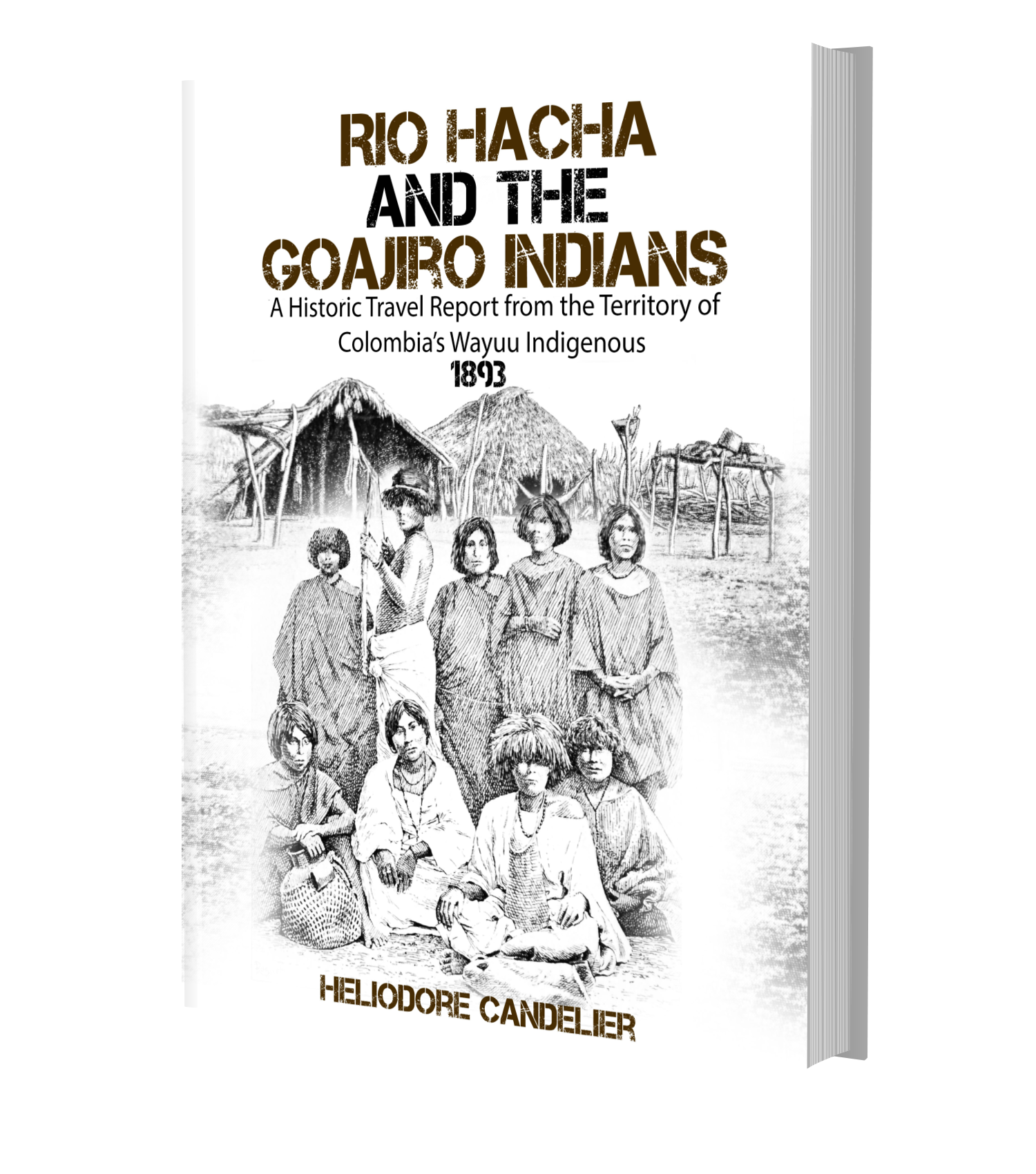
Historic Rescue Edition

Rio Hacha and the Goajiro Indians

A Historic Travel Report from the Territory of Colombia's Wayuu Indigenous.

Kindle $7.99 · Paperback $14.99 · Buy PDF direct on Gumroad
Rio Hacha and the Goajiro Indians — book mockup

A Dream Deferred, A Heritage Found

In his mid-thirties, Héliodore Candelier was a successful solicitor, a family man, and the founder of a national shooting society. But deep in his heart, he was an explorer who had given up on his dreams.

An encounter with an old friend from the Caribbean triggered an obsession. Héliodore organized an expedition for the Société de Géographie de Paris to the Guajira peninsula—the untamed home of the Wayuu indigenous.

His 1893 report chronicles the customs, language, and laws of a culture that resisted conquest for centuries. It remains a stark testimony of the conflict between the "civilized" and "uncivilized" worlds.

125 Years Later

After more than a century, this crucial historical document is finally available in English. Painstakingly edited and restored for the modern reader.

  • → First-ever English translation
  • → 42 Restored historical figures
  • → Deep anthropological insights
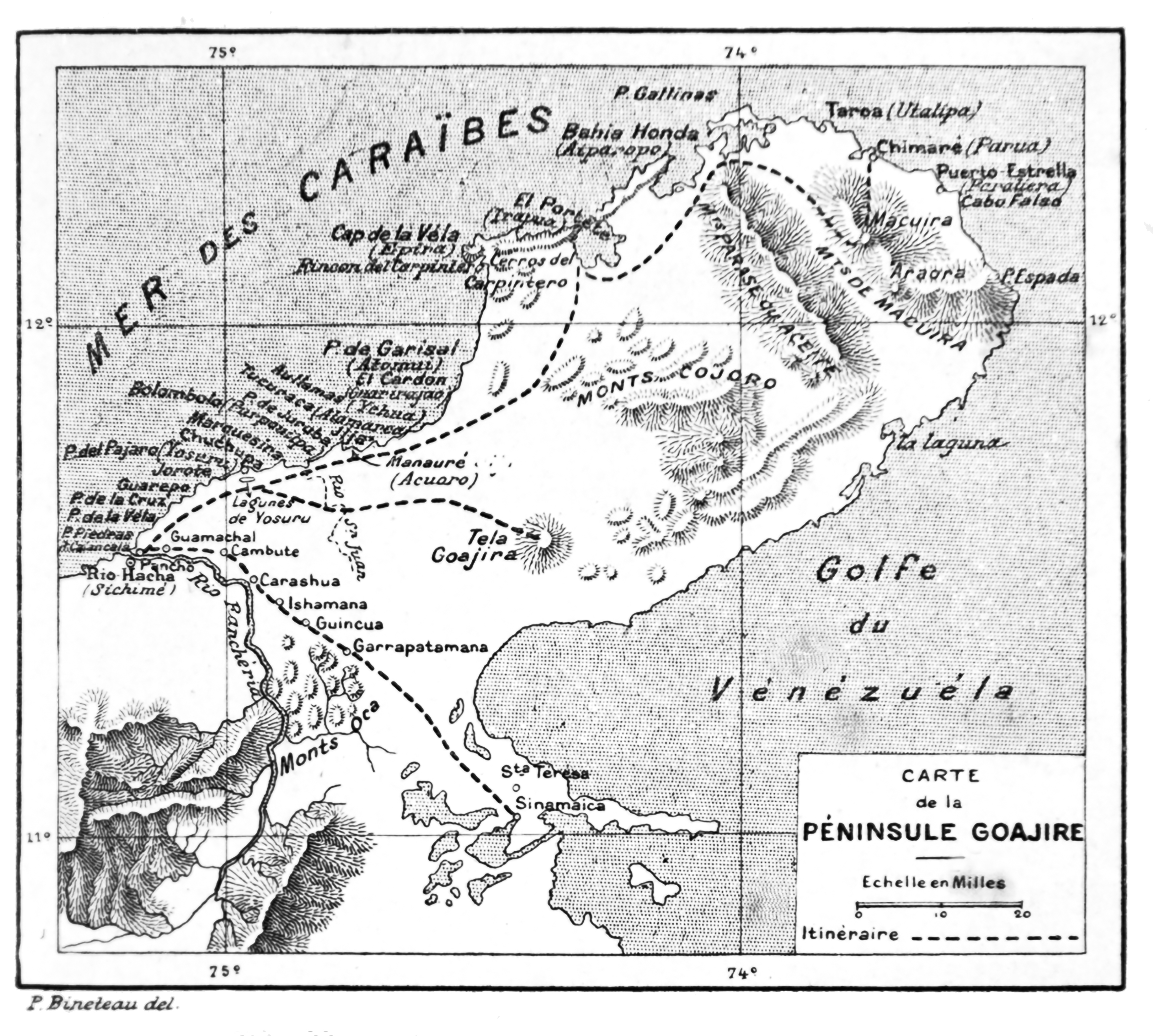
Historic map of Héliodore Candelier's 1893 expedition through the Guajira peninsula
The Journey

Candelier's route through the Guajira peninsula, as depicted in the 1893 original French edition — from Riohacha into the untamed territories of the Wayuu, a region that had resisted Spanish conquest for three centuries.

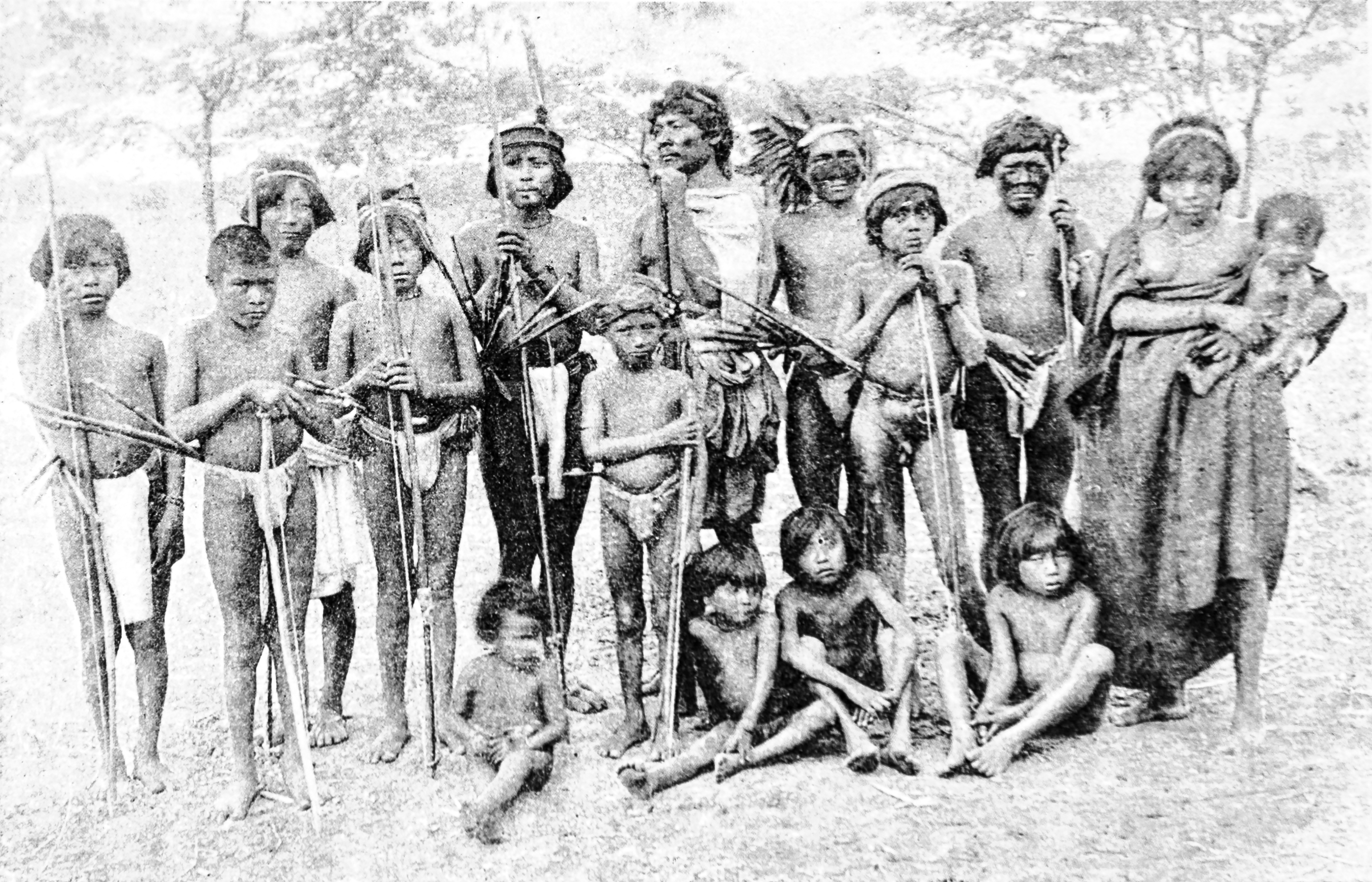
Group of Wayuu indigenous people photographed during the Candelier expedition, c. 1893

One of the earliest photographs ever taken of the Wayuu people, c. 1893. Captured during Candelier's expedition to the Guajira peninsula.

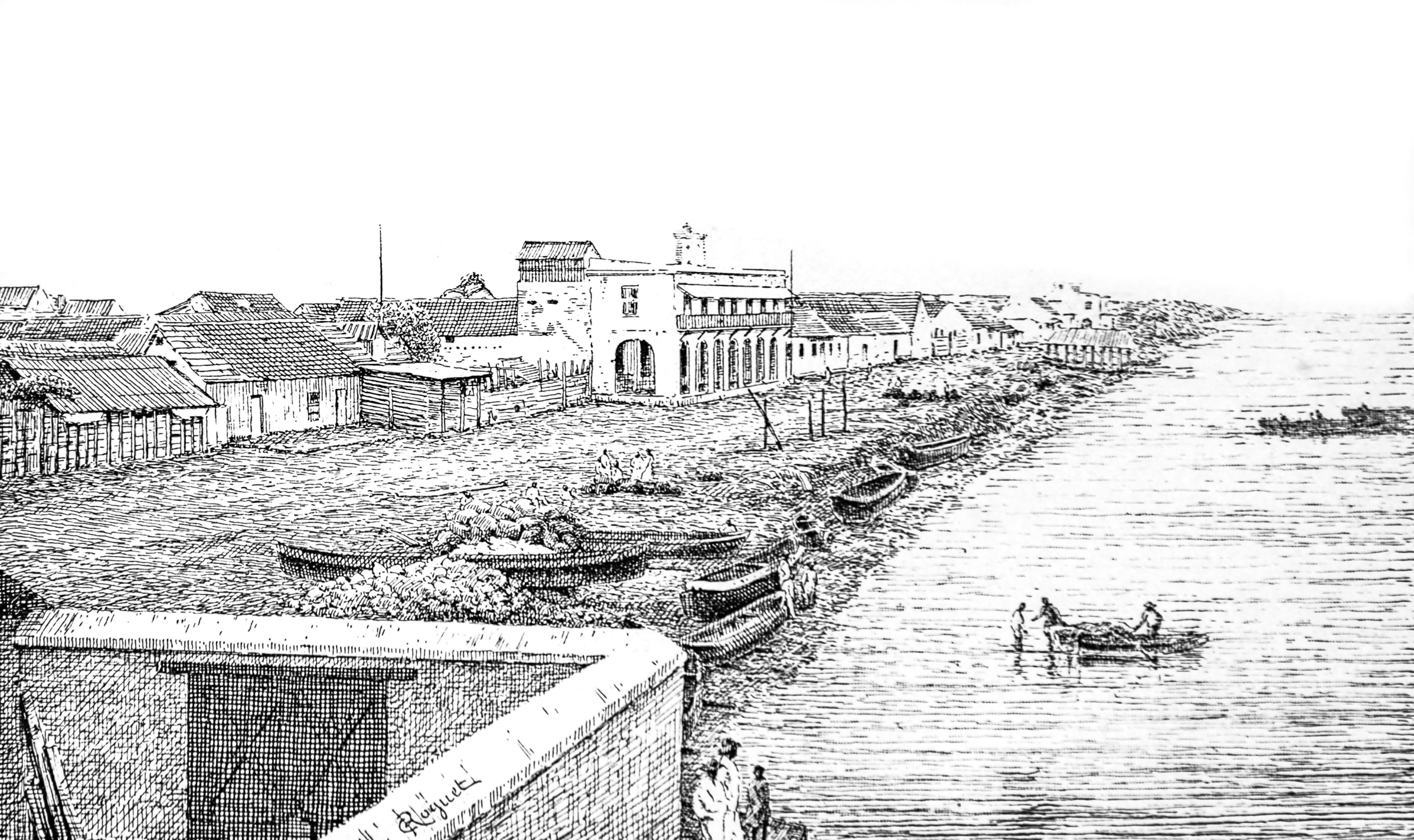
The Malecón of Riohacha, 1893

The Malecón of Riohacha

Riohacha in 1893 — the last outpost of the "civilised" world before the untamed Guajira peninsula. From here, Candelier set out into territory that had resisted Spanish conquest for three centuries.

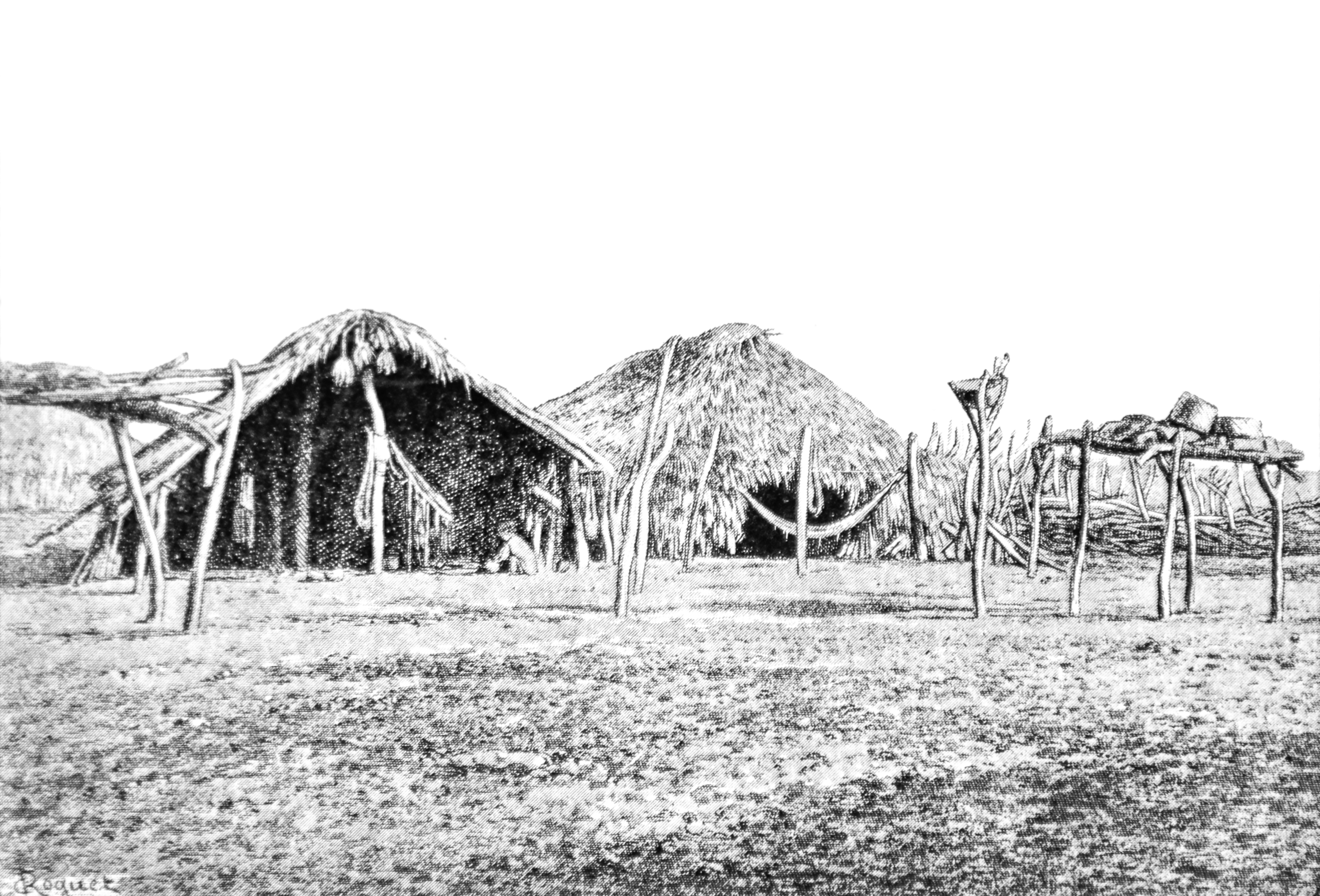
A Wayuu Rancho

The rancheria — a cluster of family huts at the heart of Wayuu social life. Candelier documented in detail the architecture, daily routines, and clan structure of the families who hosted him across the peninsula.

A typical Wayuu rancho (ranch) in the Guajira peninsula, 1893
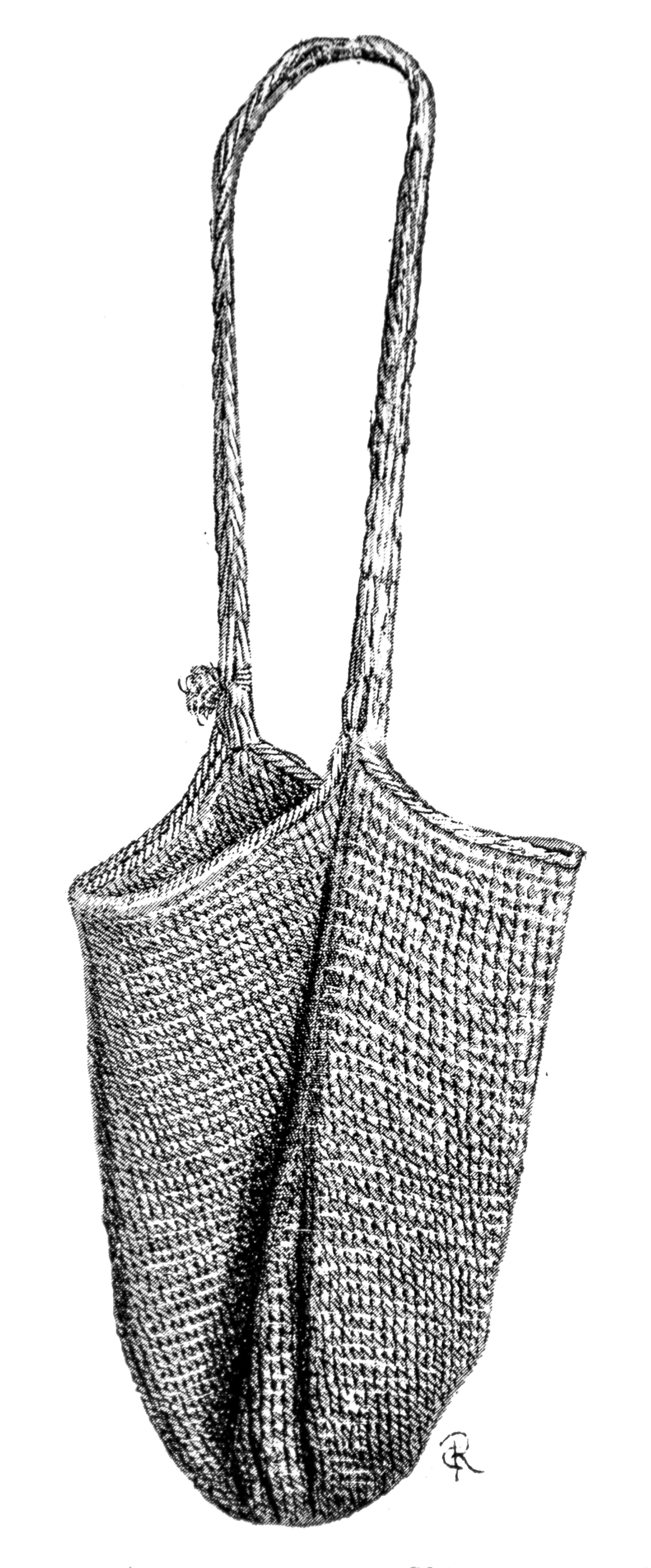
Wayuu Mochila bag, 1893

Wayuu Mochilas

The hand-crocheted bags of the Wayuu have become the most recognisable symbol of their culture. Each bag takes weeks to complete and encodes the identity of the clan through its patterns and colours. Candelier was among the first to document their craft in writing.

Impressions from the Field

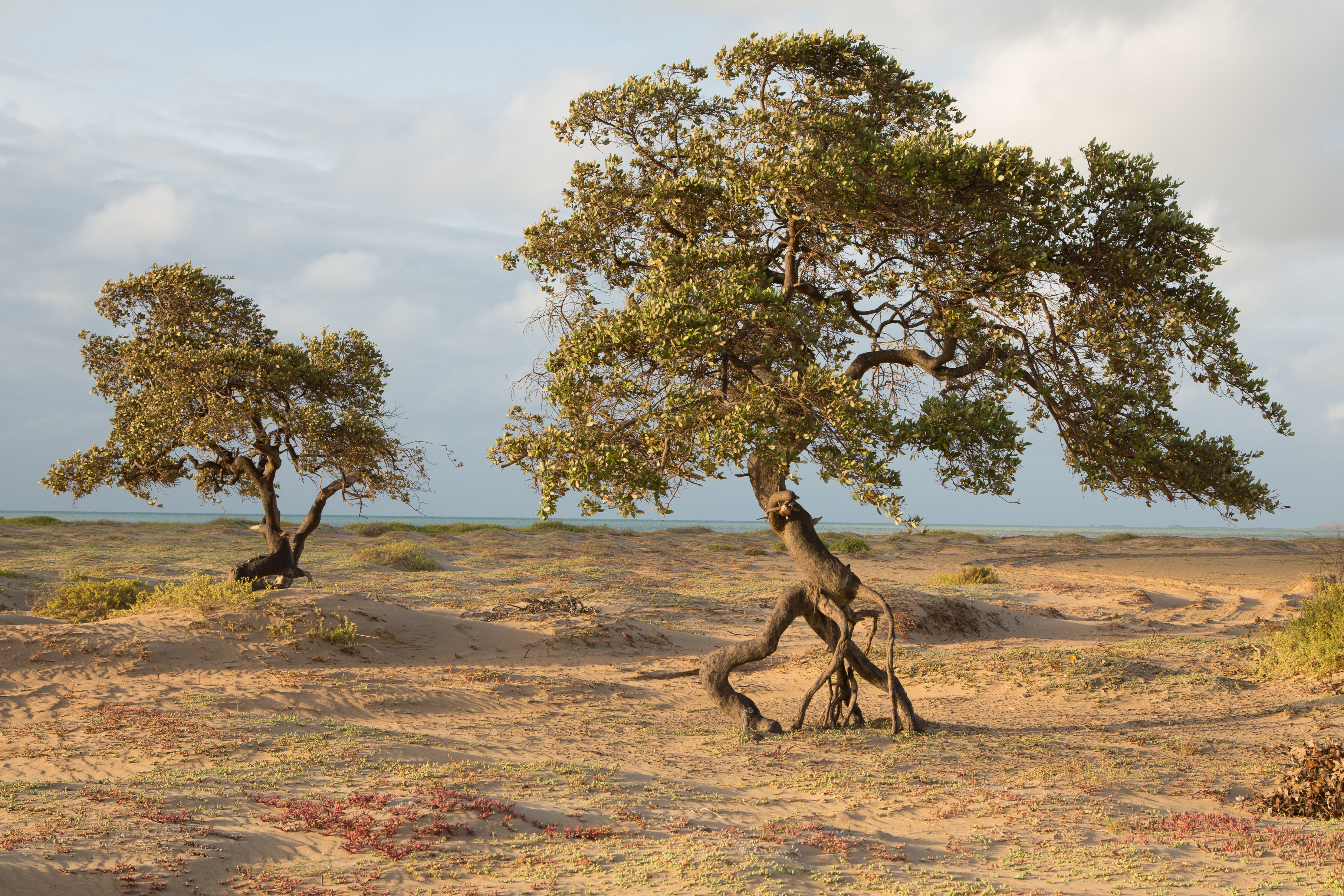
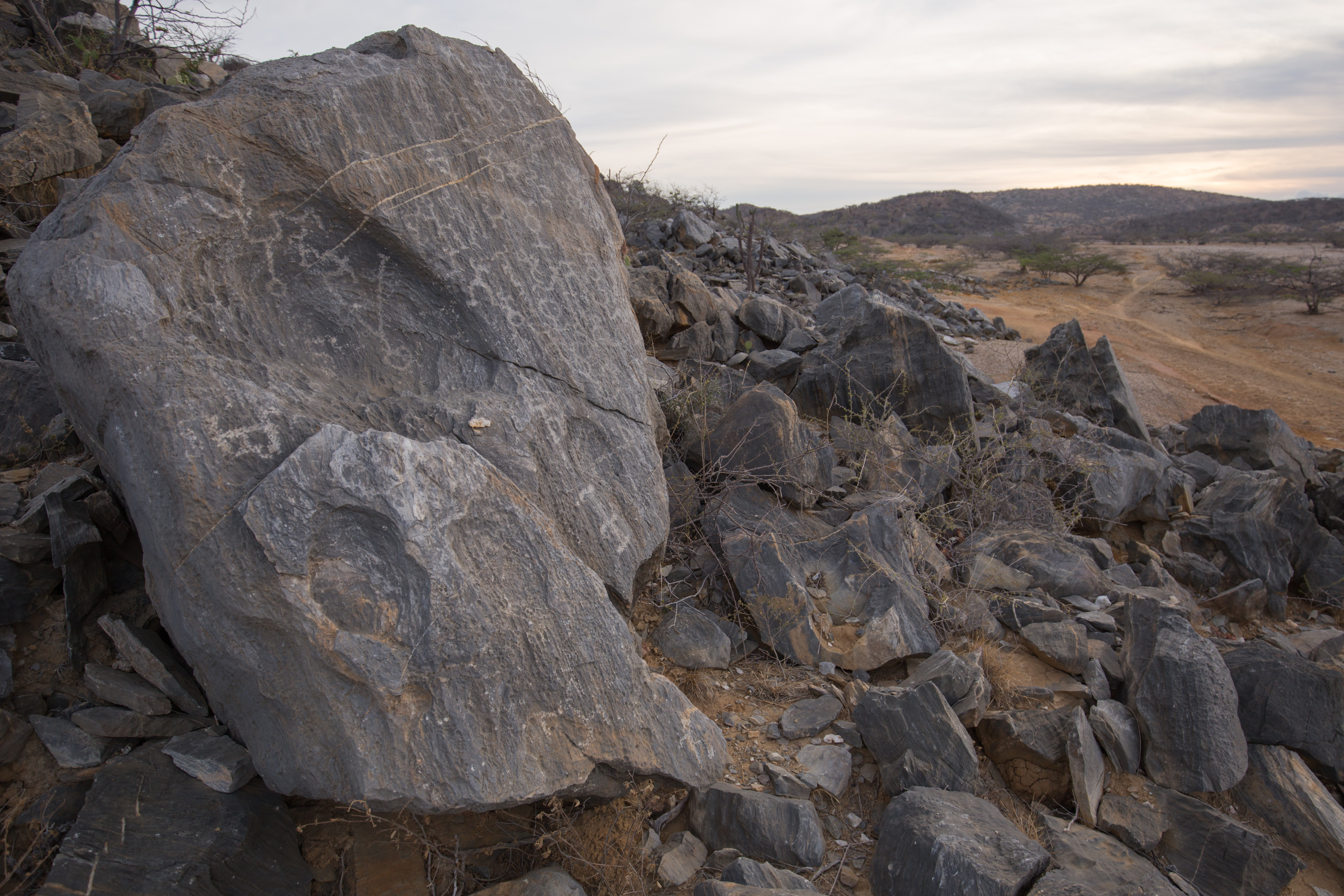
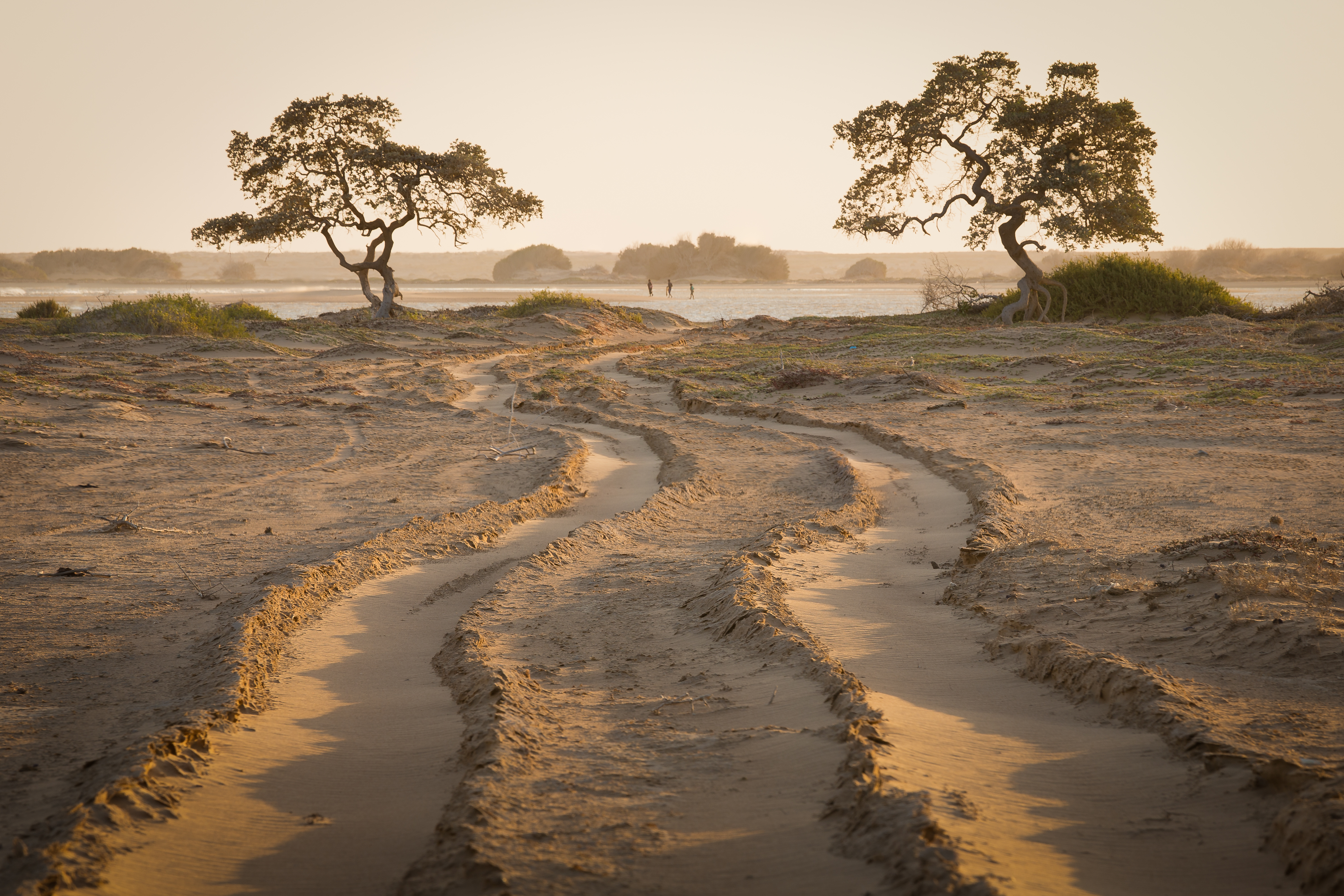
Capturing the stark beauty and resilient culture of La Guajira as it remains today.

Beach of Puerto Lopez Beach of Puerto Lopez
Rock of Aalas (Traditional Landmark) Rock of Aalas (Traditional Landmark)
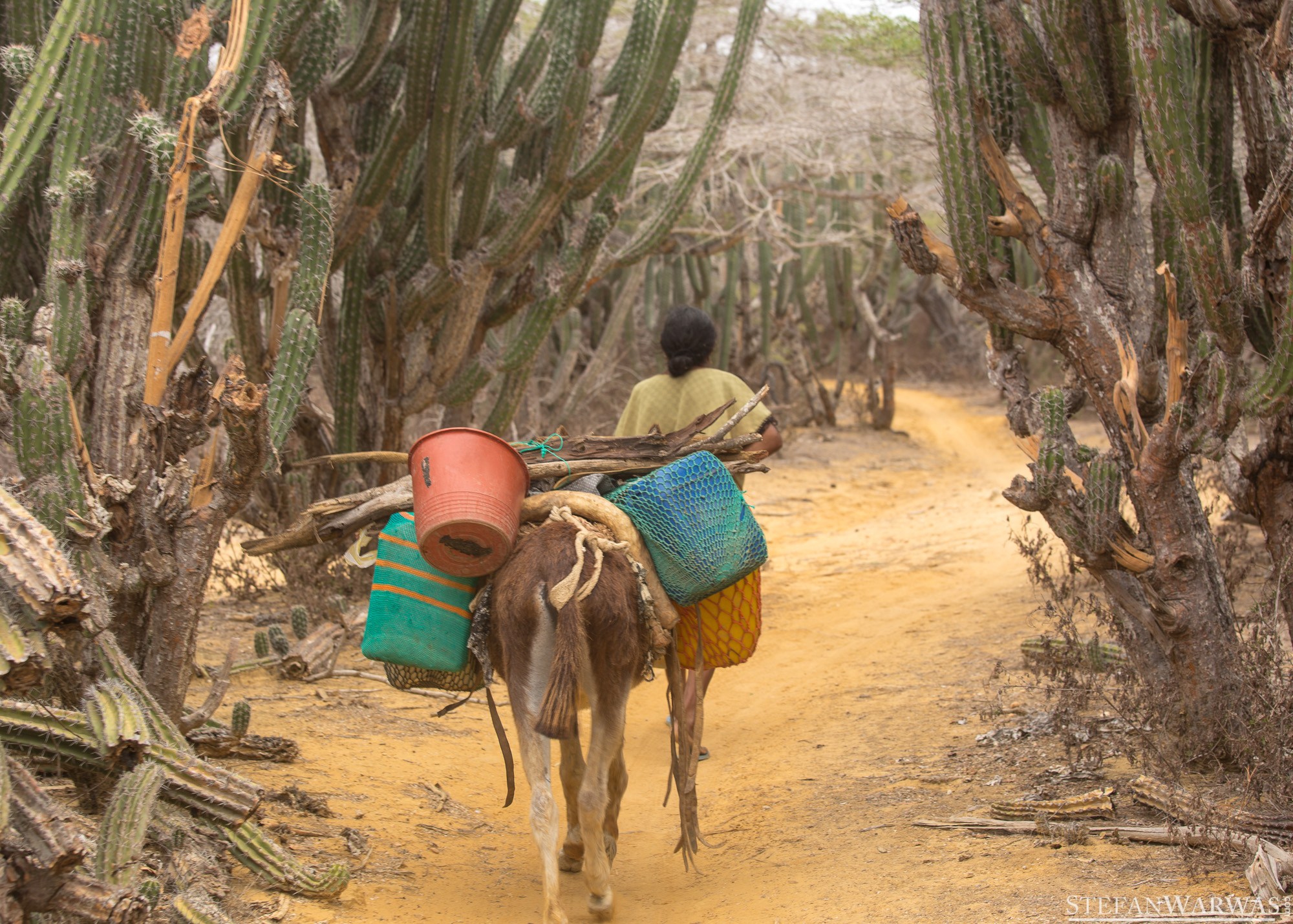
Wayuu Transport in Alta Guajira Wayuu Transport in Alta Guajira
Return of the Fisherman, Puerto Lopez Return of the Fisherman, Puerto Lopez